


CTP Plate or Digital Printing: What’s Right for Your Business?
Apr. 03, 2026
Computer-to-Plate (CTP) and Digital Printing are two modern printing methods.
- CTP creates images directly on aluminum plates, which are then used in offset printing presses.
- Digital Printing transfers images straight from a digital file onto the material, without using plates.
Choosing between CTP plate printing and digital printing mainly depends on your print volume, turnaround time, budget, and quality requirements. Each has its own advantages—there is no absolute “better” option, only the “more suitable” one.
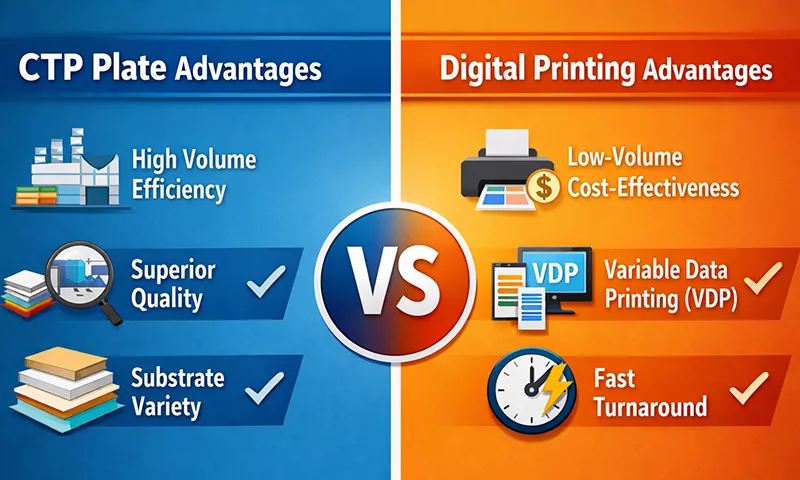
As automation, personalization, and cost efficiency continue to improve in 2026, understanding the differences between these two technologies will directly impact your profit margins, production speed, and product quality.
CTP Plate vs Digital Printing: Key Differences
| Factor | CTP Plate (Offset) | Digital Printing |
| Plates Needed? | Yes (Aluminum Plates) | No Plates Required |
| Quality | Extremely High (Superior Consistency) | High (Improving rapidly) |
| Setup Cost | High | None |
| Cost per Unit | Low (large volume) | Higher (large volume) |
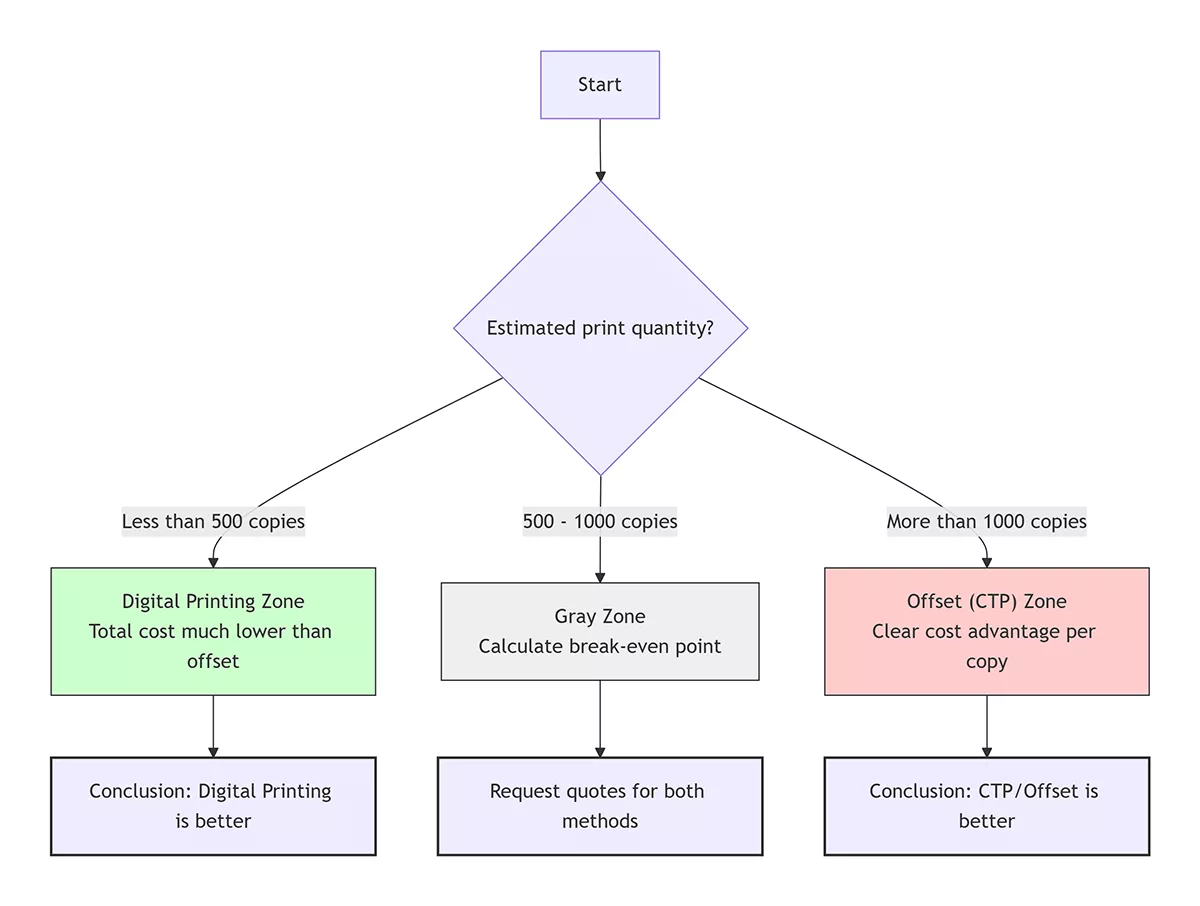
| Best Quantity | 1,000+ copies | 1–500 copies |
| Turnaround Time | Slower | Fast |
| Customization | Limited | Excellent |
| Color Accuracy | Excellent (Pantone) | Good (CMYK-based) |
| Special Effects | Supported | Limited |
| Best For | High Volume (Long Runs) | Small/Medium Batches (Short Runs) |
What Is CTP Plate Printing?
CTP (Computer-to-Plate) is a modern offset printing technology that transfers digital files directly onto printing plates, eliminating the need for traditional film processes.
This method is widely used in:
- Magazines
- Packaging
- Product catalogs
- Large-volume commercial printing
Key Advantages of CTP Plate Printing
Exceptional print quality
CTP ensures sharper images, richer details, and consistent color reproduction in large-volume printing.
Cost-effective for large runs
Although plate-making has an upfront cost, the unit cost decreases significantly as order volume increases.
High color accuracy
Offset printing supports Pantone colors as well as special effects such as metallic inks and coatings.
High consistency
Ideal for producing thousands of identical high-quality prints.
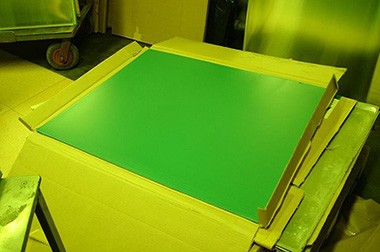
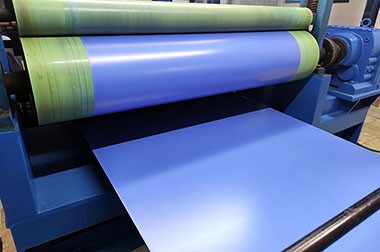
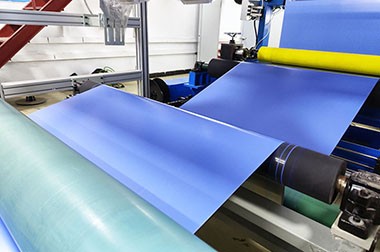
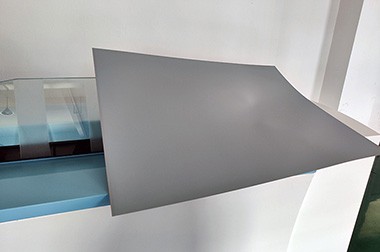
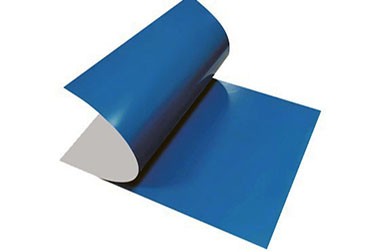
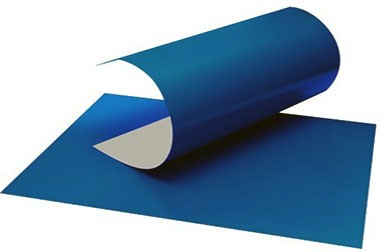
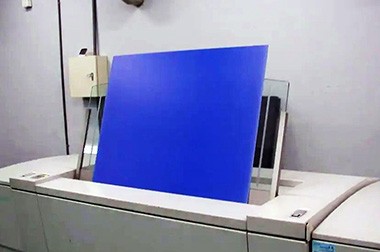
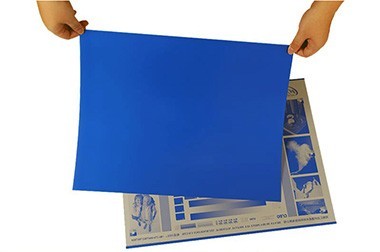
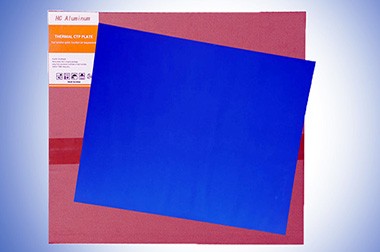
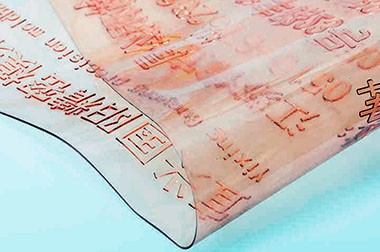
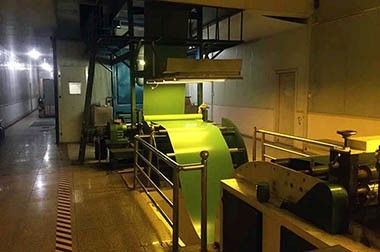
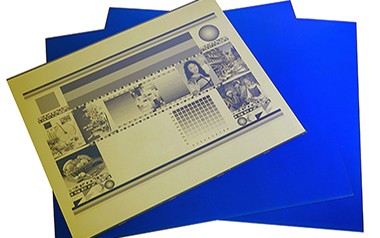
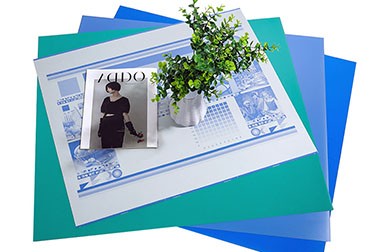
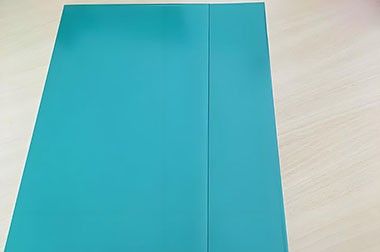
High-Quality CTP Printing Plates by Haomei Aluminum


What Is Digital Printing?
Digital printing is a process that prints digital files directly onto materials without the need for plates.
It is commonly used for:
- Business cards
- Flyers
- Small-batch packaging
- Personalized marketing materials
Key Advantages of Digital Printing
No plate-making cost
Eliminating plates reduces upfront costs, especially for small orders.
Fast turnaround
Printing can start immediately after file submission.
Personalization and variable data printing
Each print can be customized (e.g., names, QR codes, unique designs).
Ideal for small print runs
Best suited for low-volume printing (1–500 copies).
Reduced waste and inventory cost
Print-on-demand minimizes storage needs and inventory risks.
CTP Plate or Digital Printing Selection Guide
There is no absolute “better” technology—only the one that best fits your business needs. Understanding your order structure and quality requirements, combined with break-even cost analysis, will help you make the most informed decision.
- Evaluate order characteristics: analyze volume, batch size, content stability, and update frequency
- Calculate the cost break-even point: compare total costs of both methods for core products
- Consider quality and delivery requirements: balance color accuracy, personalization needs, and turnaround time
- Use a flexible hybrid strategy: choose digital for small batches + personalization, CTP for large-volume standardized products; combine both for proofing and mass production
When Should You Choose CTP Plate Printing?
If your business requires:
Large-scale production (e.g., packaging, newspapers) Extremely high standards for color accuracy, reproduction, and consistency (e.g., brand catalogs, premium packaging) Use of special paper or materials (e.g., specialty paper, thick stock, large formats) High-end printing effects (UV, metallic, varnish) Lower unit cost for bulk orders
Best suited for:
Manufacturers, publishers, packaging companies
When Should You Choose Digital Printing?
If you need:
- Fast turnaround (same day or short cycles)
- Small-batch production
- Personalized or variable data printing
- Frequent design updates
Best suited for:
Startups, marketing agencies, e-commerce businesses
CTP Plate vs Digital Printing Recommendations
- Don’t invest in equipment blindly—analyze your business volume first: if you are a printing company or large enterprise, consider both technologies. However, most small and medium-sized businesses do not need in-house printing capabilities and can benefit more from working with professional printing service providers.
- Hybrid strategies are common: many companies use digital printing for proofing and switch to CTP for mass production. For urgent small quantities, digital printing can be used first while CTP handles the bulk production simultaneously.
Further reading: ctp platecomputer to plate ctpctp plates for offset printingctp printingctp computerctp computer to platectp offset printingctp offset printing platesctp printing platectp thermalctp thermal plateoffset ctpoffset printing ctp plateplate ctppositive thermal ctp platethermal ctpthermal ctp plateuv ctpuv ctp plateviolet ctp plates